Industry Status
Today, market competition is growing fiercer, making higher production efficiency and lower operating costs vital for businesses. Warehouse and logistics management applies widely across all kinds of industries. Designing and building a complete warehouse management process that raises inventory turnover, reduces tied-up working capital, converts frozen assets into cash and lowers obsolescence costs is a key part of a company's production costs.
Many manual steps: receiving and shipping rely on manual counting and record checking; stock-taking is time-consuming, laborious and hard to track and manage.
Unclear material information: material information cannot be obtained in time, responses are slow, and information cannot be traced
Missing material quality data: receiving, shipping and return data do not form a closed loop, leaving no data basis for evaluating materials and suppliers
Inefficient material lookup: repetitive work, time-consuming searches, large sites with many specifications and large volumes of information
System Overview
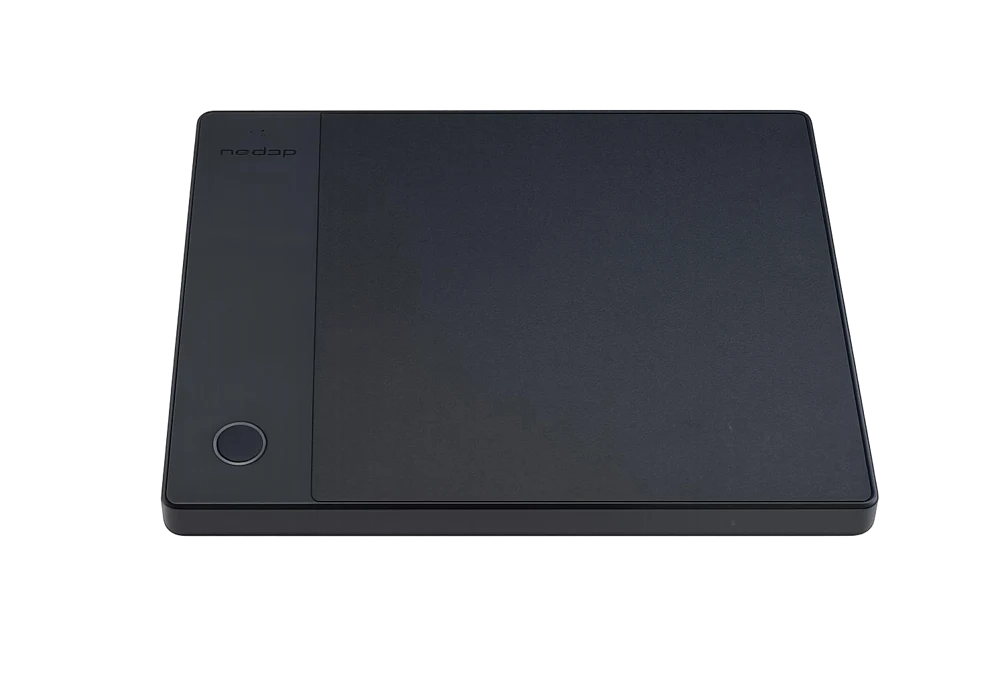
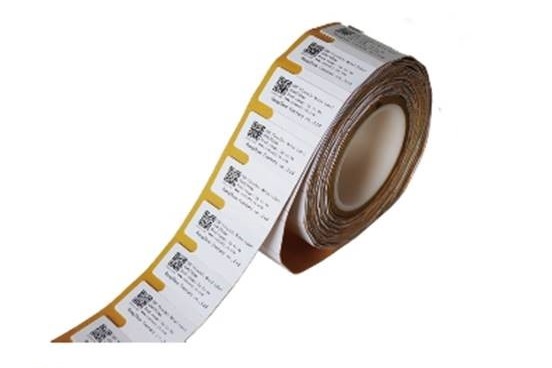
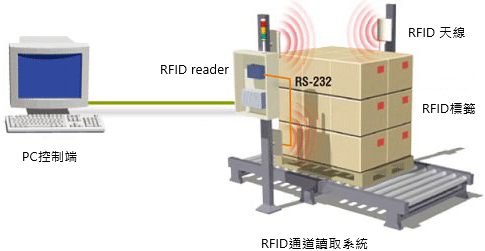
Introducing radio frequency identification (RFID) technology makes warehouse management clearer and more efficient. RFID tags are applied over barcode labels and attached to the packaging or pallet of each item. The tag contains the item's details, storage location and more; when the item is placed in the warehouse, consignor details can also be written. Fixed or handheld readers are set up in the warehouse and at each distribution channel to identify and monitor goods.
System Workflow
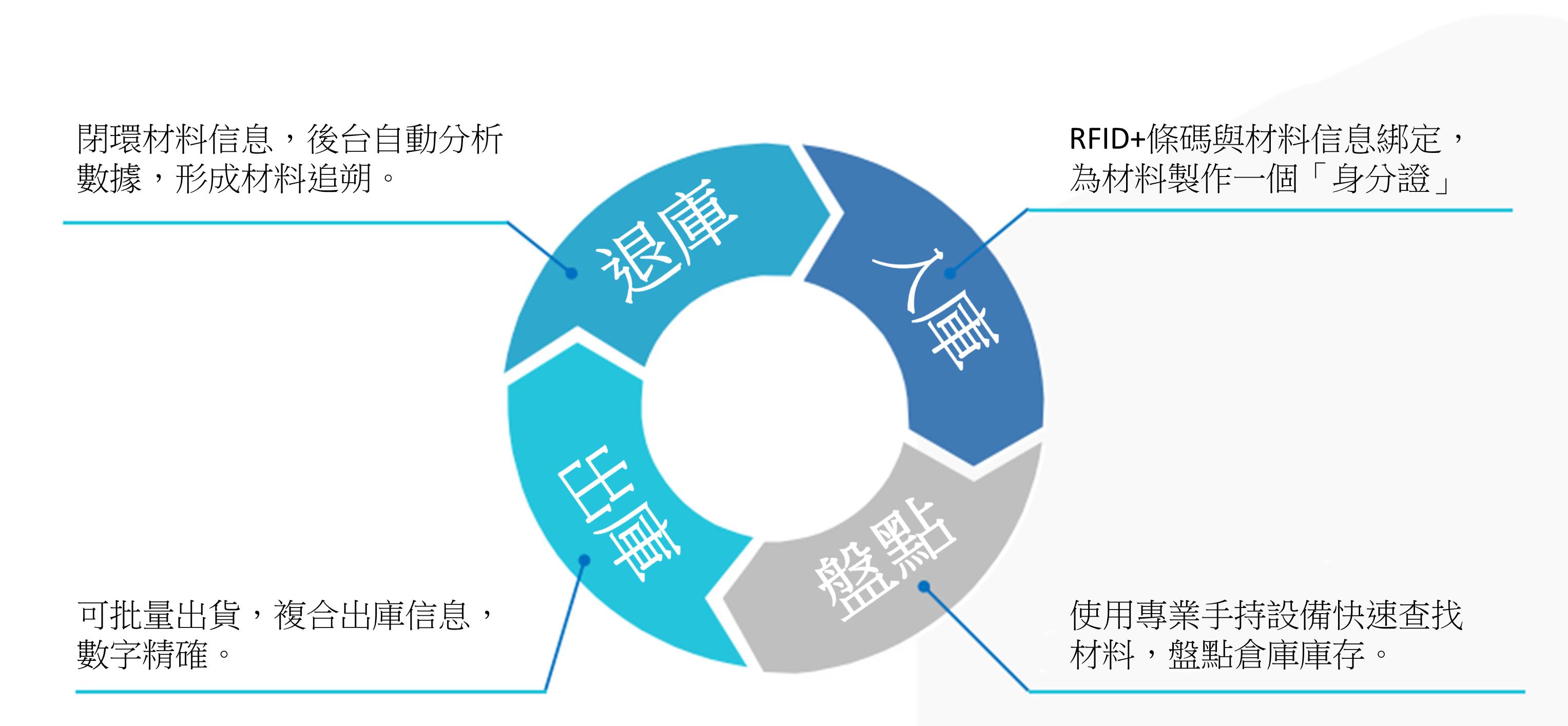
1. Receiving
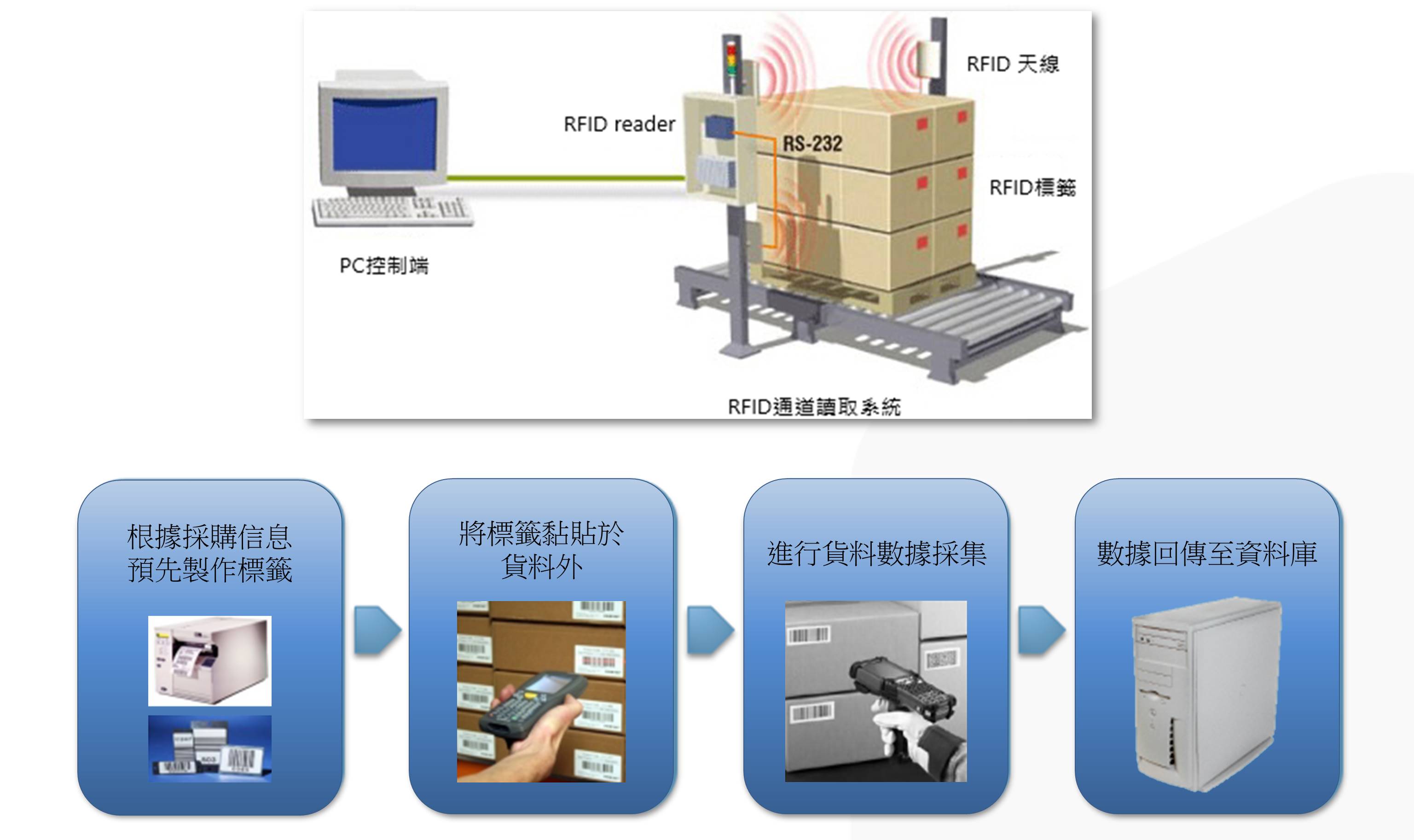
Tags are prepared in advance based on purchasing information
When materials arrive, tags are attached to the outer cartons
Data collectors (fixed or handheld) capture material data
After collection, the system connects to the ERP to generate a receiving slip
2. In-Stock Operations
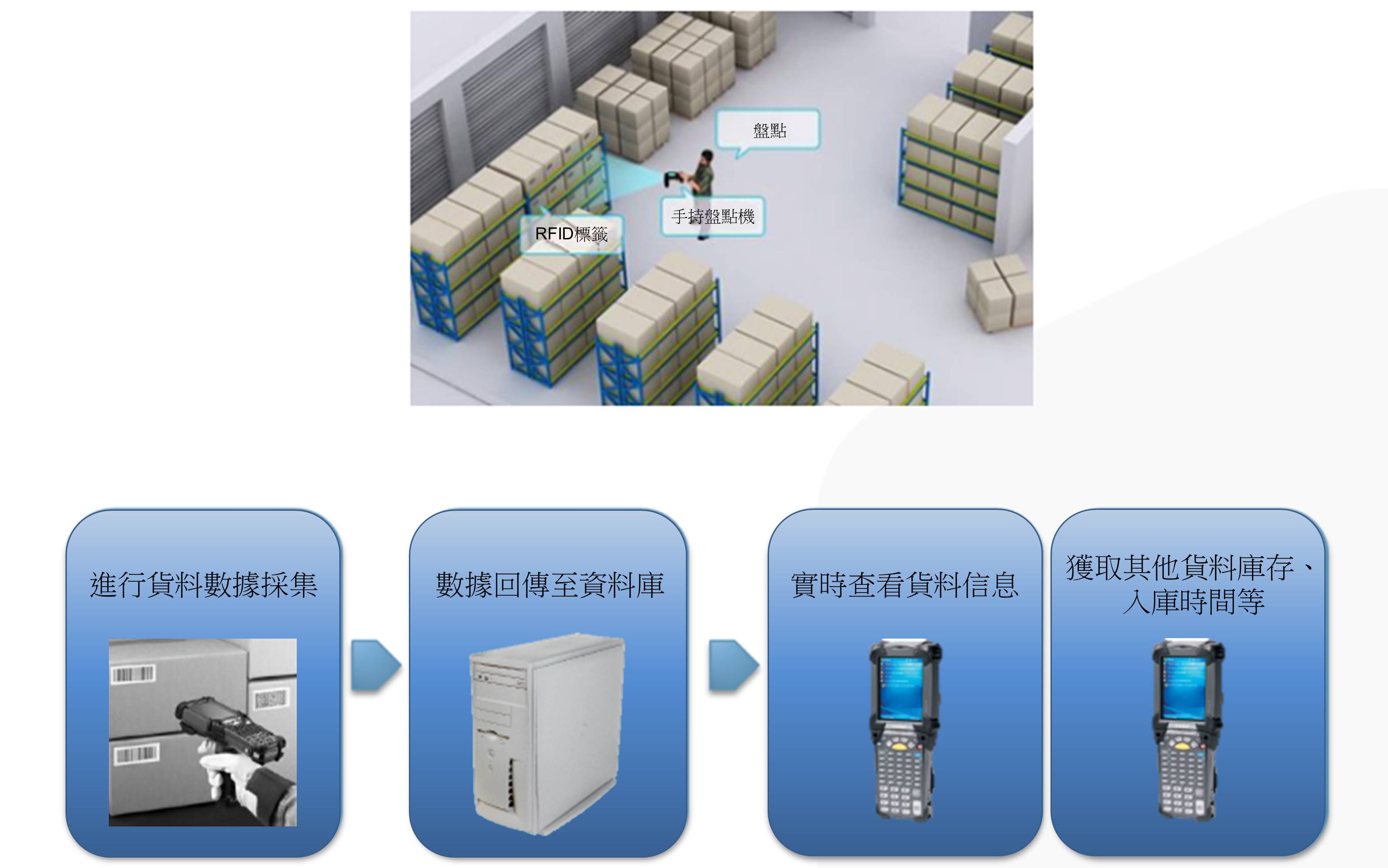
Inventory staff read tag information with handheld data collectors
Connect to the server for material information, or look up pre-stored data
View material information on the data collector
Obtain other information such as stock levels, receiving time and more
3. Shipping
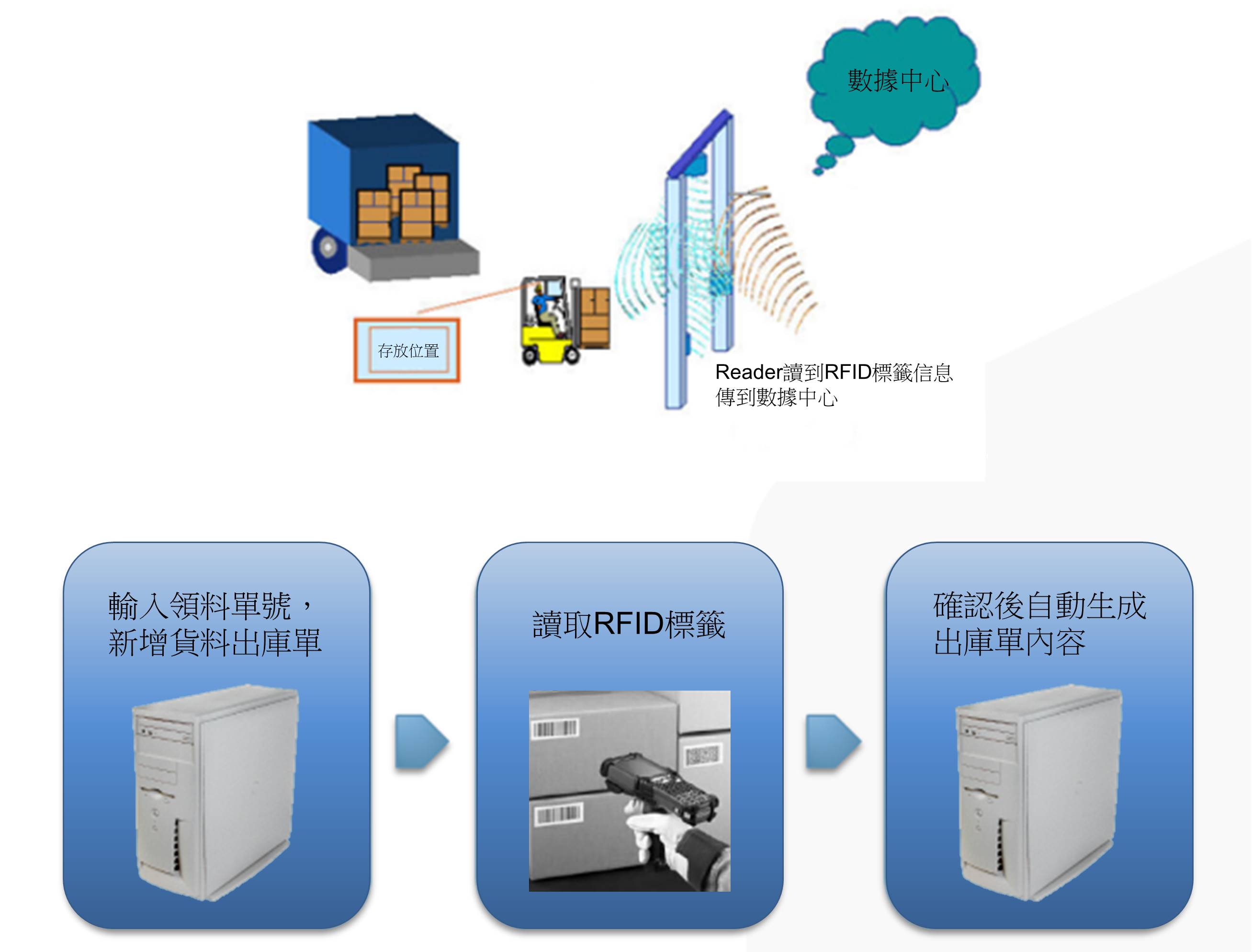
Enter the requisition number to create a new material shipping slip
Inventory staff read tag information with handheld data collectors to add outgoing materials
Or carts pass fixed data collectors that read tag information to add outgoing materials
Confirm the contents and generate the shipping slip
4. Installation & Returns
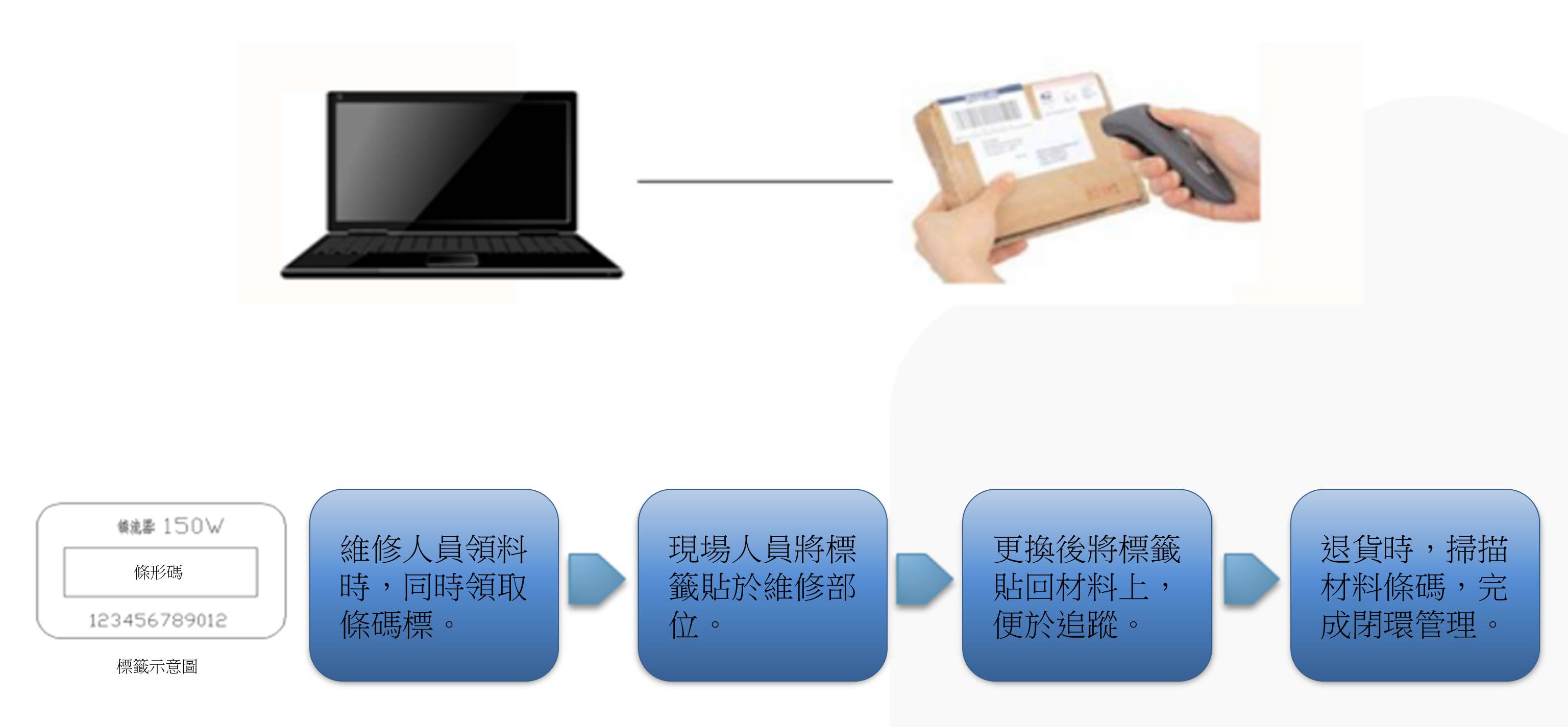
When maintenance staff collect materials, they also collect the tag barcodes
On-site installers attach the tags to the repaired parts
After replacement, tags are reattached to the materials for traceability
When materials are returned, their barcodes are scanned to complete closed-loop management
5. Item Receiving, Lookup & Retrieval
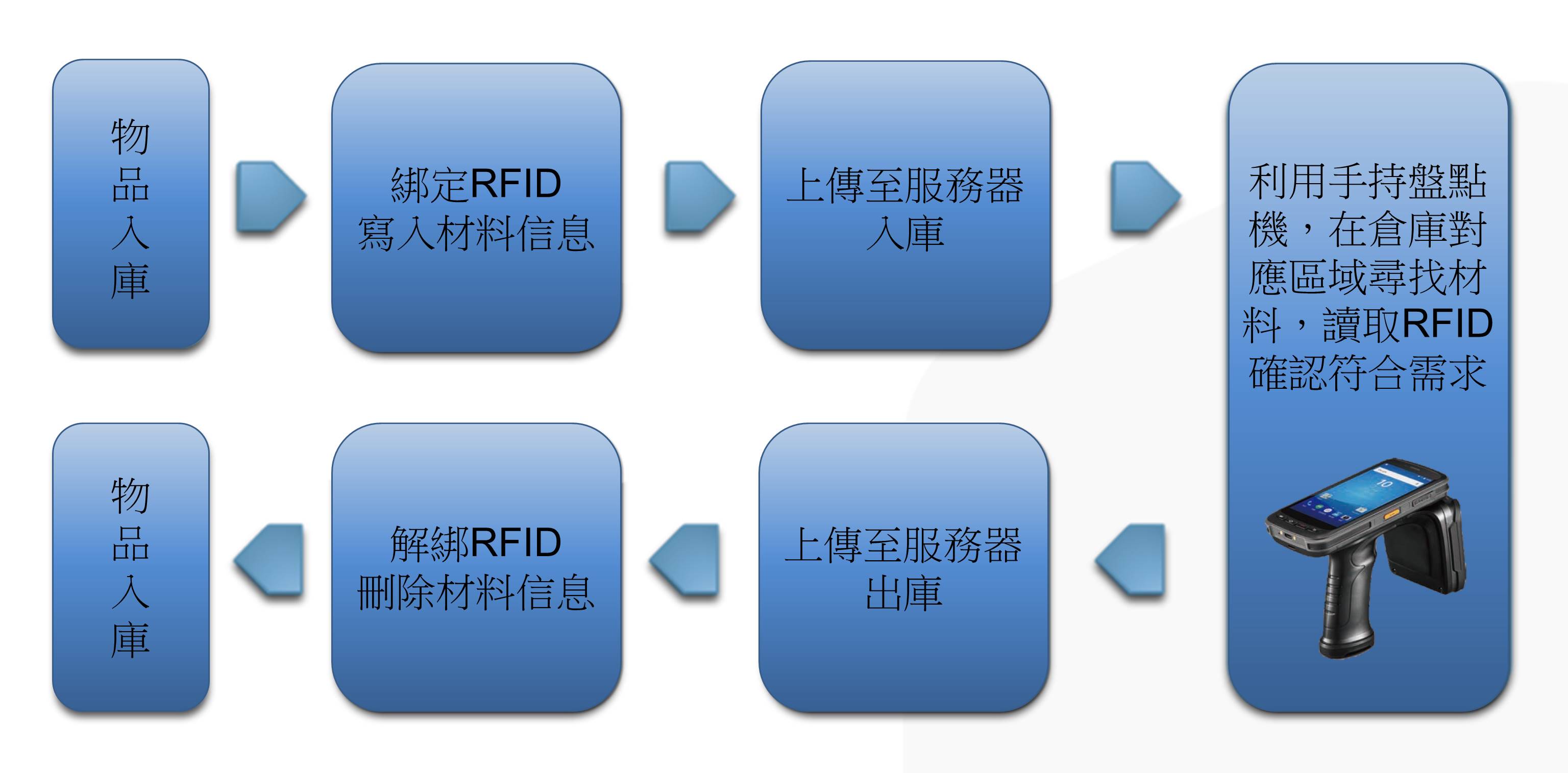
Item receiving: bind RFID tags to materials, upload to the server, attach the tags and complete receiving.
Item lookup & retrieval: use a handheld reader to find the required materials in the warehouse, upload to the server, remove the tag or mark the material as shipped, and complete shipping.
System Advantages:
• Reduces labor by 20-30%;
• 99% of warehouse items become visible, reducing the risk of lost items;
• Reduces service time by 20-25%, improving supply chain management;
• Improves the accuracy and reliability of warehouse information;
• Efficient, accurate data collection improves operating rates;
• Automatic collection of input and output data reduces human error;
• Lowers corporate warehousing and logistics costs.