Industry Background
As is well known, assets take many forms for businesses, including production supplies, equipment, vehicles, desks, computers, cables and even personnel. The essential, valuable assets businesses commonly use are high in value, highly mobile and difficult to manage securely. Every year, to take stock of assets at year-end or to find (or count) assets that have moved to various departments or project sites and learn their condition, businesses often waste large amounts of valuable time, manpower and resources. Because assets are constantly moving, items are easily missed or double-counted, and physical assets rarely match the books. Moreover, for valuable items, considerable manpower and resources must also be spent on theft prevention.
Solution Overview
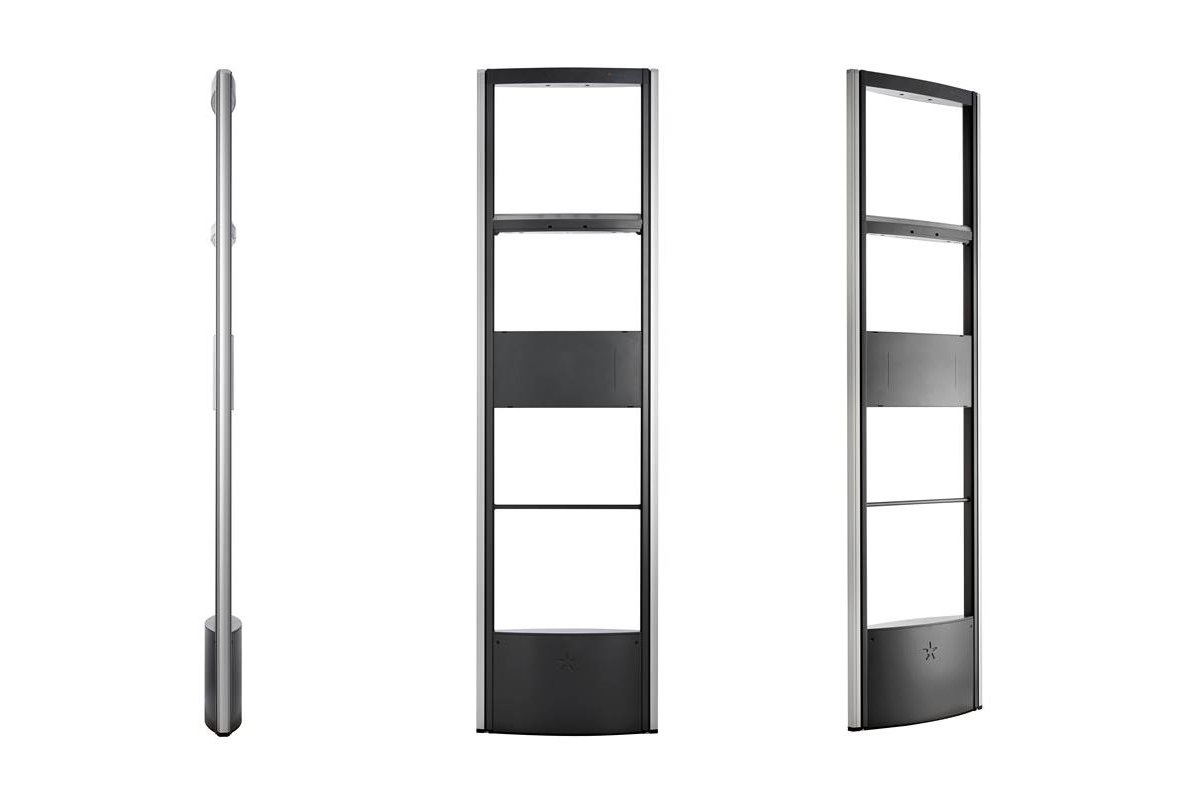
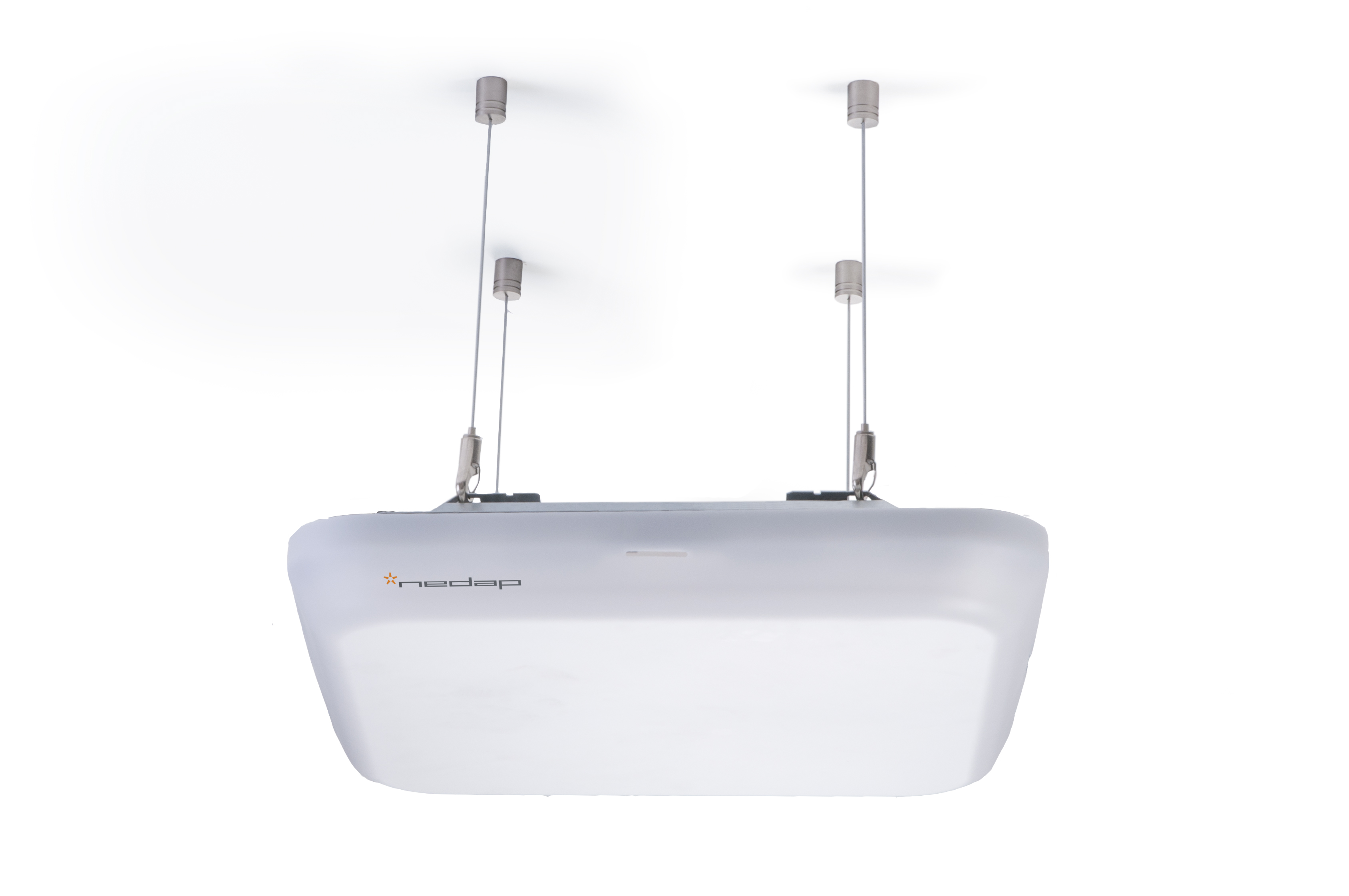
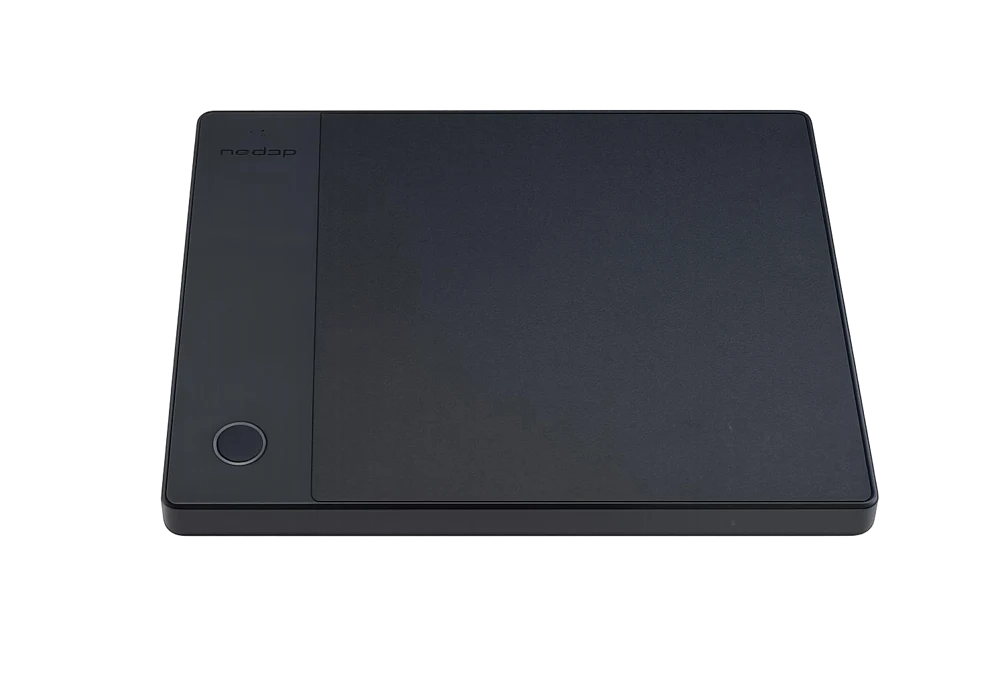
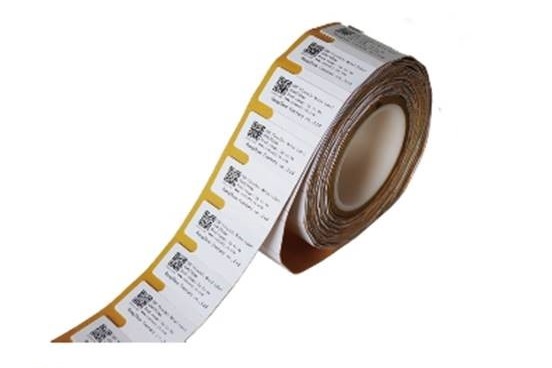
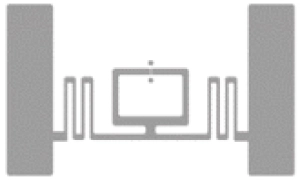
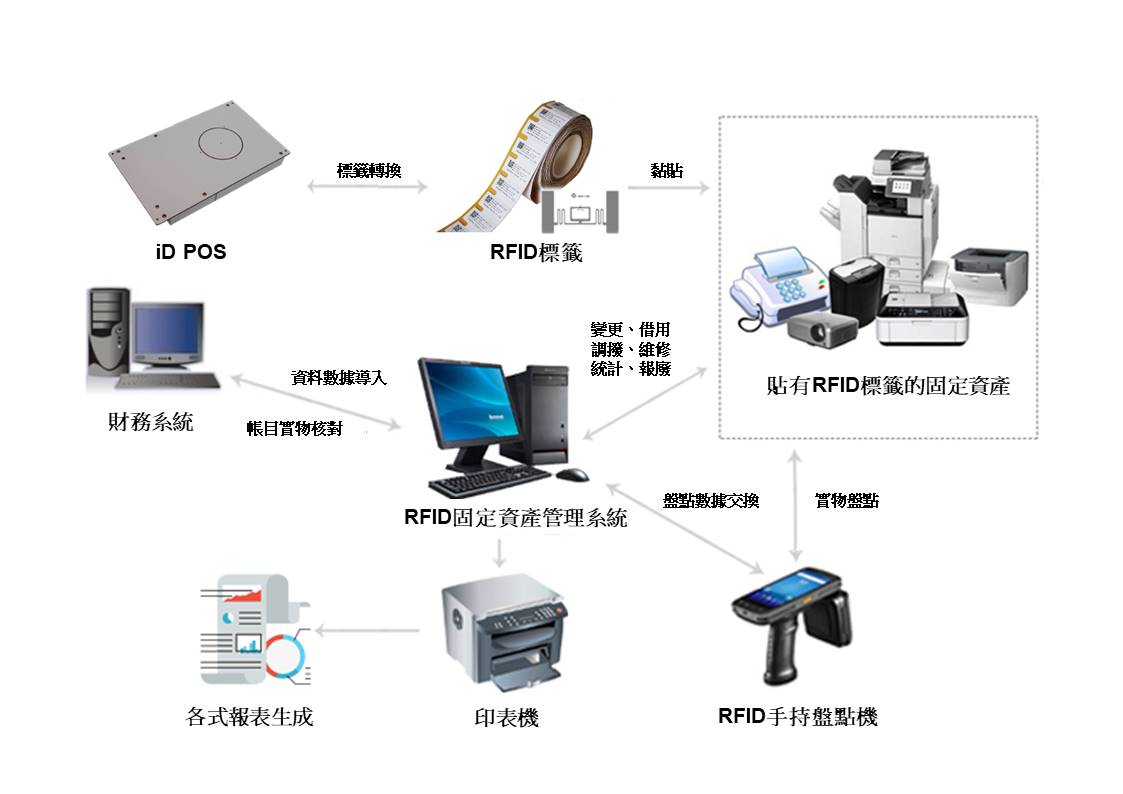
Fixed asset management is an important part of business management, and many businesses face problems such as delayed information, time- and labor-intensive processes, information asymmetry and chaotic inventory counts. Combining UHF RFID technology with software enables fixed asset management. Attach RFID tags to every fixed asset to be managed, and install RFID antennas and readers in passageways where fixed assets may move. The system manages fixed assets by zone or category; when a fixed asset moves, the system automatically tracks its location and determines its new position. During fixed asset inventory, RFID handheld devices are used to write device information to the tags promptly.
In this solution, handheld readers are used for asset inventory, quickly reading tag information on equipment and sending it via built-in wireless communication modules to the back-end server for processing. Fixed readers are used for access control, with circularly polarized antennas that ensure tag recognition from multiple angles .
Solution Functions
Core functions include RFID tag management, asset addition, changes, maintenance, disposal, depreciation, lending, allocation and expiration alerts , and more. For every fixed asset, you can look up its complete history from purchase and commissioning to disposal.
1) Daily Asset Operations
Covers daily tasks such as adding, modifying, transferring, lending, returning, repairing and disposing of fixed assets. A photo can also be attached to each fixed asset for easy viewing of valuable items.
2) Custom Asset Attributes
Beyond attributes common to all assets (such as purchase date and original value), different equipment may need its own specific attributes: furniture may have color, material and origin, while medium and large equipment may have weight and dimensions. Different asset types can have different custom attributes.
3) Tag Management
Automatically generates tags for the selected fixed assets that can be affixed to the physical assets, so every item is documented.
4) Inventory Counting
First download all asset information for the department to be counted to the handheld, then scan each fixed asset one by one; each scanned item's information is displayed on the handheld. During counting, a list of items not yet counted can be viewed on the handheld at any time.
After counting, surplus lists, shortage lists and inventory summaries can be generated by division, department or even room number.
5) Asset Depreciation
Multiple depreciation methods apply different formulas to calculate depreciation for different equipment. Accrue monthly fixed asset depreciation, print monthly depreciation reports, and enter or adjust depreciation manually.
6) Asset Disposal
The system can print disposal request forms, which can be attached for the disposal approval workflow on the internal office platform. Asset sale information can be registered and queried.
7) Historical Asset Lookup
For disposed or worn-out assets, the system stores their information separately in a historical database, where all records across each asset's life cycle can be viewed. This makes historical asset lookups faster and more convenient, and speeds up retrieval of information on assets currently in use.
8) Monthly Fixed Asset Reports
Query categorized monthly (annual) reports by unit, department, time and other criteria, including monthly reports of fixed assets added, fixed assets reduced and fixed asset depreciation (annual), with printing support.
9) Comprehensive Fixed Asset Search
Query a single fixed asset or a batch, with criteria including asset category, purchase date, purchaser, supplier, department, net asset value, asset name and specifications. All query reports can be exported to Excel.
10) System Maintenance
Includes defining asset categories, exit methods (such as disposal and wear), acquisition methods (purchase, transfer from a higher level, lateral transfer, donation from external units), warehouses, departments and custodians.
Solution Features & Benefits
1) The entire system offers long-range fast identification, high reliability, high confidentiality, ease of use and easy expansion . The asset identification system can run independently, without relying on other systems.
2) Builds secure, reliable registered asset records, using advanced technology to strengthen asset oversight, allocate resources sensibly, reduce waste and prevent asset loss . It effectively and accurately identifies, collects, records and tracks data for assets (fitted with tags) entering and leaving base stations (warehouses), ensuring assets are used appropriately.
3) Based on actual conditions, it truly solves the disorder and poor timeliness of asset management, providing an advanced, reliable, practical digital platform for automatic identification and smart management of incoming and outgoing assets , qualitatively improving the company's ability to manage internal assets dynamically in real time.
4) Making full use of RFID technology and GPRS wireless remote transmission, asset change information stays consistent with system information in real time , enabling the back-end system to effectively monitor and record workflows in real time, so managers can track asset transfers and usage right from the office.
5) All asset data is entered once; the system automatically determines asset status (new, transferred, idle, disposed, etc.) from data collected by RFID readers at different base stations and zones , and end users can compile and query asset data anytime, anywhere via a browser through a visual GIS interface.